Elevate Your Interior: a Comprehensive Guide to Professional Painting Services Using Expert Contractors
Transforming a space through full-service painting can significantly enhance a property's visual appeal. Experienced painting specialists bring skill and premium supplies, ensuring a streamlined workflow from start to finish. Grasping the intricacies of professional painting is vital for homeowners. As they think through the process, concerns about selecting professionals and managing the undertaking naturally emerge. These elements are critically important in reaching a satisfactory result. What key aspects deserve the most consideration in this undertaking?
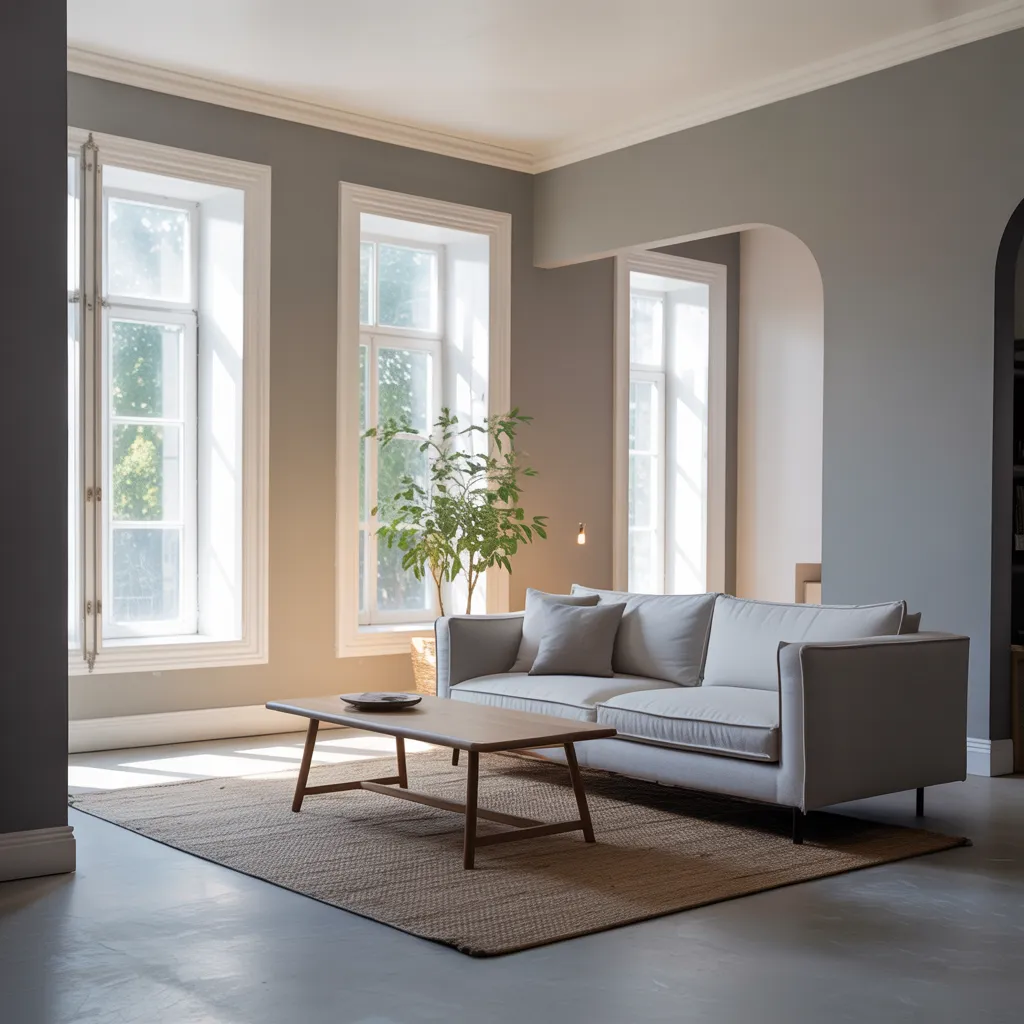
Why Should You Hire Professional Painters?
When planning a paint job, numerous homeowners think about bringing in professional painters. Working with professionals commonly provides a mix of expertise and efficiency that has the ability to transform a space far better than do-it-yourself attempts. Skilled contractors hold a deep understanding of color principles and painting methods, ensuring a flawless finish that elevates the visual appeal. Their background equips them to navigate challenges like irregular surfaces or distinctive architectural elements, which may prove challenging for inexperienced individuals.
Furthermore, expert painters typically use top-tier supplies that enhance durability and longevity, decreasing the demand for frequent repaints. Homeowners also benefit from considerable time conservation; skilled contractors can finish projects quickly, freeing homeowners to direct attention toward other important tasks. Additionally, employing professionals can bring reassurance, as numerous professionals extend quality guarantees or assurances on their work. In the end, the knowledge and trustworthiness of professional painters can significantly enhance the outcome of any painting endeavor.
What the Full-Service Painting Process Entails
What do homeowners encounter during a complete painting process? Initially, they can expect a thorough consultation, where experienced painters review their goals and desires. This stage often includes color selection and design advice tailored to individual spaces. Once the consultation concludes, a thorough project outline is created, detailing schedules and pricing.
Once the process gets underway, preparation is essential; professionals will safeguard furniture and flooring, and might also take care of repairs to walls and surfaces. The core painting stage employs expert application techniques, resulting in a smooth and consistent finish. Property owners can count on high-quality materials being utilized, boosting both durability and overall appearance.
During the process, communication remains essential, with updates provided to ensure homeowners stay in the loop. Upon completion, once the work is done, a detailed cleanup is performed, leaving the space ready for immediate enjoyment. In summary, a full-service painting process strives to offer a seamless experience and a refreshed and revitalized living space.
Finding the Ideal Contractors for Your Full-Service Painting Project
What steps can homeowners take to ensure they choose the best contractors for their complete painting project? To begin, performing comprehensive research is essential. Homeowners should seek recommendations from friends, family, or online reviews to compile a list of potential contractors. Assessing each contractor's portfolio delivers valuable perspective on their quality standards and working style. Moreover, verifying licenses and insurance helps assure professionalism and protection against liability.
Additionally, collecting a number of quotes allows property owners to review pricing and options, making certain they recognize what is encompassed. Throughout early consultations, residents should inquire about timelines, materials used, and maintenance after the project. Effective communication is critical; picking a contractor who engages and resolves issues builds a teamwork-oriented atmosphere.
Finally, reviewing references can reveal the experiences of previous clients. By adhering to these guidelines, home improvement enthusiasts can successfully identify a contractor who understands their goals, securing a successful full-service painting project that improves their property.
Set Up Your Space for Success
Preparing the space is crucial for a successful painting project. Emptying the area of furniture and personal possessions confirms that the work can continue without disruptions. Moreover, safeguarding possessions with protective coverings or transferring them to a safe spot reduces the chance of damage during the painting procedure.
Remove Items from the Area
Before starting a painting endeavor, it's important to tidy the workspace to set up a productive area. This procedure involves removing furniture, decor, and other items that could hinder the painting process. A cleared workspace not only increases convenience for the contractors but also limits the risk of accidental damage to belongings. It is advisable to transfer bigger furnishings to a different room or, if needed, to the center of the space and cover them with a drop cloth for additional safety. Additionally, any wall hangings, light fixtures, or outlet covers should be removed to ensure a even workspace for painting. By completely preparing the space, homeowners create the foundation for a more effective and high-quality painting experience.
Secure Your Valuables
To safeguard belongings during a painting project, homeowners should take proactive steps in protecting their possessions. First, they must remove all items from the area being painted, including furniture, decor, and electronics. For larger items that cannot be moved, covering them with drop cloths or plastic sheeting can prevent paint splatters and dust accumulation. Additionally, homeowners should secure any valuable items, either by moving them to a different room or placing them in protective storage. It is also wise to tape or cover light switches, outlets, and flooring to minimize potential damage. Taking these precautions not only protects belongings but also creates a smoother and more efficient painting process, ensuring a successful transformation of the space.
Top 5 Errors to Avoid When Hiring Professional Painters
Employing skilled painting contractors can revitalize a space, yet many homeowners fall into common pitfalls that can lead to disappointment. One major mistake is failing to conduct thorough research on potential contractors. Homeowners should check reviews and ask for references to ensure dependability. Another typical blunder is not obtaining multiple quotes, which can result in paying more than necessary or selecting the wrong contractor for their budget. Additionally, failing to inquire about insurance and licensing can leave homeowners vulnerable to liability. Miscommunication about project timelines and expectations can also lead to frustration; early discussions are critically important. Finally, some homeowners forgo the formal contract, which is crucial for defining project specifics and securing everyone's interests. By steering clear of these errors, homeowners can achieve a more satisfying result and achieve the desired results from their paint work.
Caring for Your Beautifully Painted Walls
After securing the right professionals and achieving a stunning paint job, maintaining those beautifully painted walls becomes the next priority for homeowners. Regular upkeep is essential to preserve the vibrancy and integrity of the paint. As dust and dirt may collect over time, using a soft cloth or sponge with mild soap for gentle cleaning is suggested to protect the surface.
Property owners should also take note of fluctuations in humidity and temperature, which can related article impact both the paint and the wall beneath it. Employing a dehumidifier in areas with excess moisture can stop peeling and mildew from developing.
Some touch-ups might be needed as time goes on; storing additional paint for this reason ensures consistent color matching. Furthermore, refraining from using abrasive cleaning tools and harsh chemicals will protect the finish. By following these guidelines, homeowners can appreciate their elegantly painted walls for many years, improving the overall look of their living areas.
Artistic Techniques Beyond Classic Painting
Within the realm of painting, innovative texture applications and bold color contrasts offer exciting alternatives to traditional methods. Such techniques have the power to transform a space, adding depth and personality through tactile surfaces and striking visual combinations. Discovering these creative possibilities allows individuals to showcase their unique style while improving their environments.
Innovative Texture Applications
While traditional painting techniques have their merits, innovative texture applications offer a fresh perspective on interior design. Techniques such as sponging, rag rolling, and stucco finishes can transform walls into dynamic visual elements. Such approaches generate richness and dimension, giving homeowners the freedom to display their individual taste. Additionally, materials like plaster or wood can be incorporated to enhance tactile experiences, making spaces feel more inviting. Textured finishes can also help conceal imperfections, providing a practical benefit alongside aesthetic appeal. As the desire for individualized interiors continues to rise, expert contractors have developed greater expertise in these modern methods, making certain that each result reflects the client's unique preferences. At their core, these inventive methods raise living spaces well above the standard of traditional flat finishes.
Striking Color Contrasts
Colour serves as a powerful asset in interior design, especially when it comes to producing dramatic contrasts that invigorate a space. Skilled contractors often employ creative techniques to create impressive visual results. One technique entails combining dark tones with lighter shades to create depth and drama, highlighting architectural details. Accent walls offer another opportunity; a rich tone can direct focus toward a particular space, such as a mantelpiece or wall art. Furthermore, employing color blocking—where contrasting hues are arranged in geometric shapes—brings a contemporary element. By considering non-traditional combinations, such as pairing blues with oranges or greens with pinks, homeowners can develop a one-of-a-kind style. Ultimately, bold color contrasts breathe life into interiors, turning simple rooms into stunning environments.
Questions We Often Receive
How Long Should You Expect a Complete Full-Service Painting Project to Take?
A standard full-service painting job typically takes approximately one to two weeks, depending on factors such as project size, surface condition, and weather. Proper preparation and drying time also contribute to the overall duration.
What Kinds of Paint Do Expert Contractors Suggest?
Professional contractors generally suggest superior latex-based paints for interior applications because of their durability and ease of cleaning. For exteriors, they frequently recommend acrylic-based paint products, which provide excellent weather resistance and long-lasting color retention.
Do Eco-Friendly Painting Options Exist?
There are eco-friendly painting options available. Skilled contractors commonly advise the use of low-VOC and zero-VOC paints, which help minimize harmful emissions and their environmental impact, ensuring healthier indoor air quality while providing a variety of colors and finishes.
Can I Stay in My Home During the Painting Process?
In many cases, homeowners are able to stay in their homes throughout the painting process. Nevertheless, homeowners should avoid freshly painted sections to minimize fume exposure and maintain overall safety, particularly in compact areas where airflow and ventilation might be insufficient.
What Steps Should I Take to Maintain Paint Quality After the Project?
To preserve the quality of your paint following the completion of the project, ensure proper ventilation, steer clear of excessive dampness, and carefully clean the painted surfaces. Regularly inspect for any signs of damage and tackle any concerns immediately to maintain the paint's look and durability.